Why Does My Anxiety Increase During Winter? The “Long Dark” in Western WA
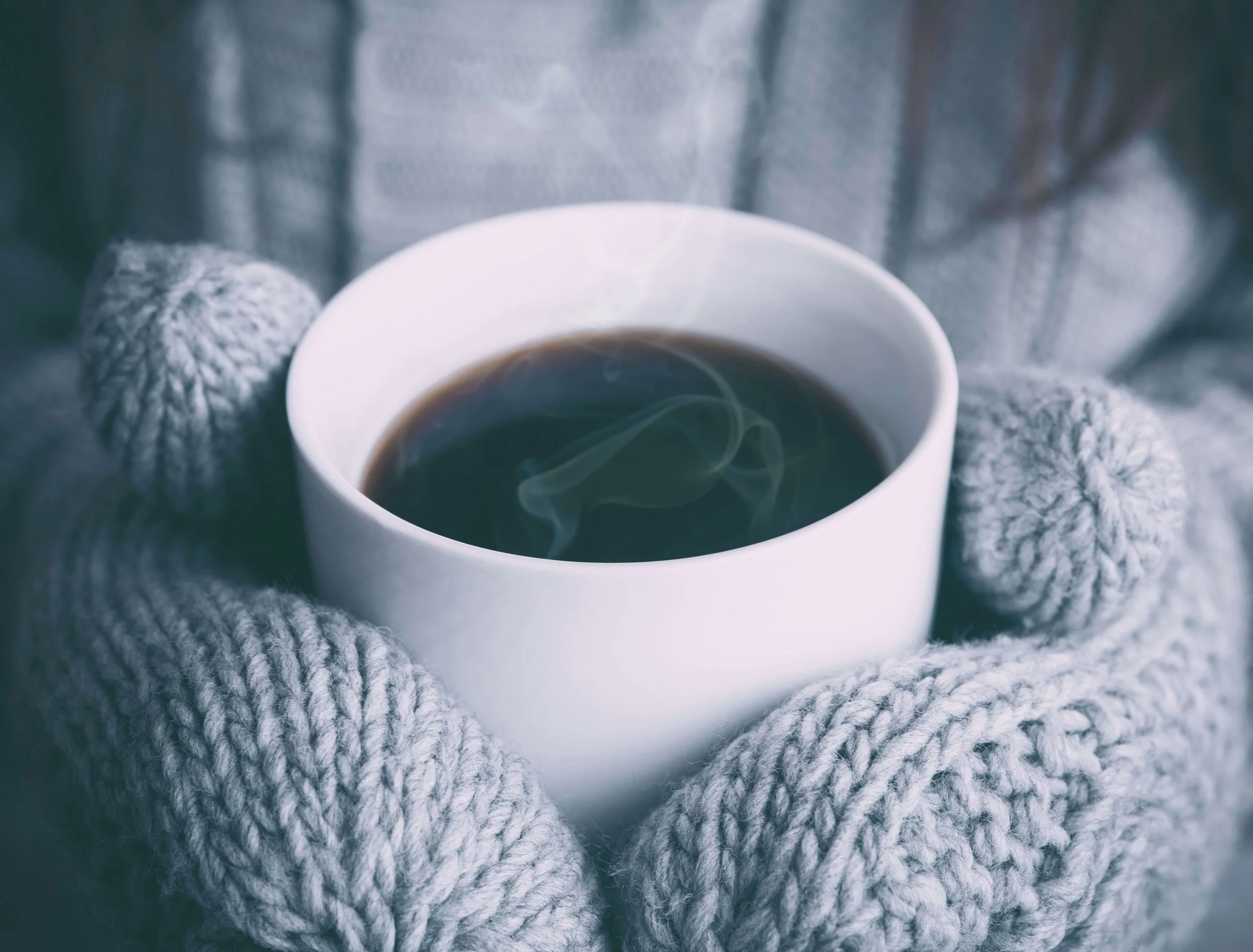
Image from Unsplash by Alex Padurariu 12/12/24
I’m sure you’ve heard of ‘SAD’ Seasonal Affective Disorder. Maybe you have personal experience with SAD. It makes sense that less light, shorter days, cold weather, and stressful holidays can contribute to a lower mood. For some people depression’s best friend, anxiety, can increase during the winter. In this week’s blog post, I’m going to address common causes of increased anxiety in the winter and what you can do to cope.
Forms of anxiety that can increase during the winter months:
Phobias—many times around travel or weather phenomena
Anxious about exposure to traumatic triggers—people dealing with pregnancy loss may experience high anxiety about being around children.
Panic Attacks
Social Anxiety
Generalized Anxiety
Even if the anxiety you experience doesn’t reach diagnosable levels, it’s not uncommon for tension, stress, and worry to be high. These challenges can happen alone, or along with a lower mood.
Reasons Anxiety Can Increase During the Winter
Less movement and time outside.
There’s a draw to curl up in a blanket, eat cookies and watch movies. That’s great! However, you might be moving less which helps drain excess energy that can lead to anxiety.
Remedy: Don’t stop moving just because it’s cold! You might have to adapt your routine, but regular movement can help burn off that excess energy. Try to plan outdoor activities in the few hours there is sun or decent weather.
Sleep Hygiene.
I know, it’s a weird term, but essentially with less light, people tend to keep schedules that aren’t equal to the daylight. With televisions, phones, and screens of all different kinds, and people on vacations, sleep schedules can be compromised. Consistent sleep is vital to maintaining your mental health.
Remedy: Keep a regular sleep schedule, even when you’re on vacation. Be mindful of screen time, especially the hours before bed. Be mindful of your caffeine and alcohol consumption that can negatively impact the quality of your sleep.
Exposure to time specific events.

Image from Unsplash by Christian Grab 12/12/24
With more social events and holiday celebrations, you may engage in behavior you don’t typically engage in the rest of the year, such as flying, driving in challenging weather conditions, exposure to certain people, places, or situations. The very fact that behavior is infrequent can make it more anxiety provoking.
Remedy: Look at your past experiences and notice when you’ve overcome challenging situations in the past. What helped you get through? You have a weather of information in your experience. Employ others that you trust to assess the level of risk associated with certain activities. If you’re struggling with avoiding activities that will positively impact your life, considering reaching out to a therapist to work on reducing avoidance and getting back to activities you enjoy.
Expectations.
This time of year can bring up a lot of challenging family dynamics, including re-experiencing past hurts, grief, or unrealistic expectations. It’s important to know what you want from your holidays season and set clear boundaries to care for yourself. You might also set unrealistic expectations for yourself of what you plan to do or feel and stress out about whether you’ll complete those or not. Attempting to be more realistic and kinder with yourself is important.
Remedy: It’s a good idea to check your self talk and how gentle or harsh you are with yourself. Be clear about your needs and desires and learn how to communicate those effectively with others.
Isolation:
Due to the cold and inundation with social expectations, some people lean the opposite direction and can isolate themselves.
Remedy: If you know you’ve struggle with isolation in past winters, make a pact with at least one friend that you’ll put regular meetings on the calendar. If you’re able, considering planning a trip somewhere sunny with a friend.
Physical Challenges:
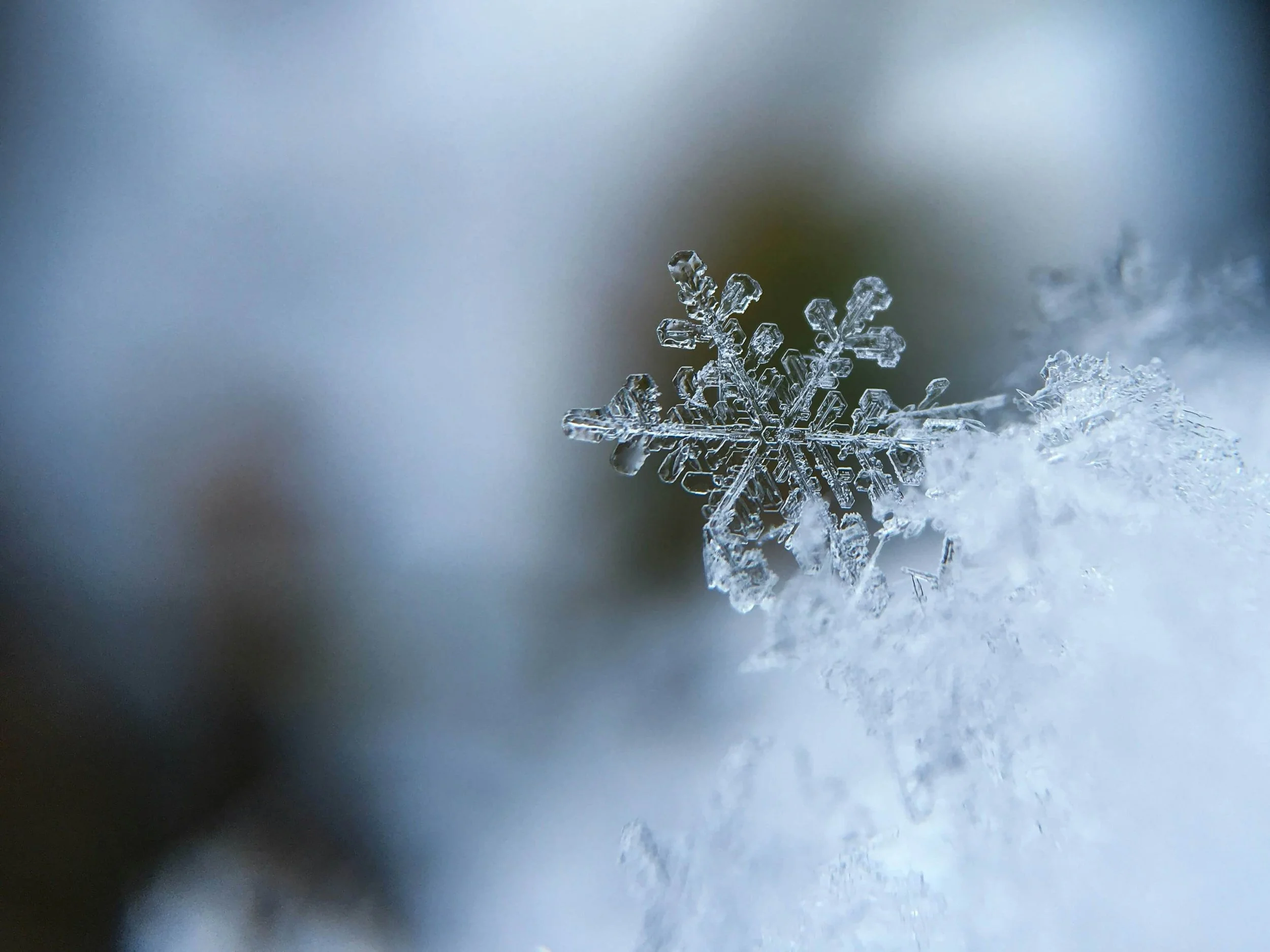
Image from Unsplash by Aaron Burden 12/12/24
Cold weather can exacerbate medical conditions and make you physically feel worse. This can easily lead to decreased mental health and isolation.
Remedy: It sucks we can’t change the weather, but if you know the cold impacts you physically, make a game plan with your care team and share that plan with loved ones. Avoiding it because it’s unpleasant is only going to make it worse.
Vitamin D:
Due to the lack of sunlight, vitamin D levels can plummet this time of year, impacting the overall functioning of your body and brain. *I am not a doctor, so please consult your physician before adding any supplements to your regime.*
Remedy: Talk to your doctor about your vitamin D levels and what ways you can use food or supplements to help!
Reach Out To A Seattle Anxiety Therapist
There are loads of people out there who engage in inconsiderate behavior without thinking twice. Just because it’s common, doesn’t mean it’s okay. You don’t have to put up with harassment of any kind, including unwanted comments. If people don’t respond to your requests, wishes and boundaries, it’s time to make a change.
If setting boundaries with other people stresses you out and you’d like more help, reach out and schedule a free consultation today. Start teaching people around you it’s not okay to be inconsiderate.
About the Author: Seattle Therapist Chelsea Kramer LMFT
Chelsea Kramer is a Seattle Therapist who works with individual and families facing grief, anxiety and trauma, with special focus on reproductive and medical mental health.
Learn more about Chelsea’s specialties: grief, anxiety, infertility, pregnancy loss, chronic illness, menopause, medical trauma
Learn more about Chelsea
Return to Homepage
Return to blog