3 Things To Learn from the Paralympics: Reflections of a Seattle Therapist Who Works with Injury, Illness, Medical Trauma, and Health Anxiety
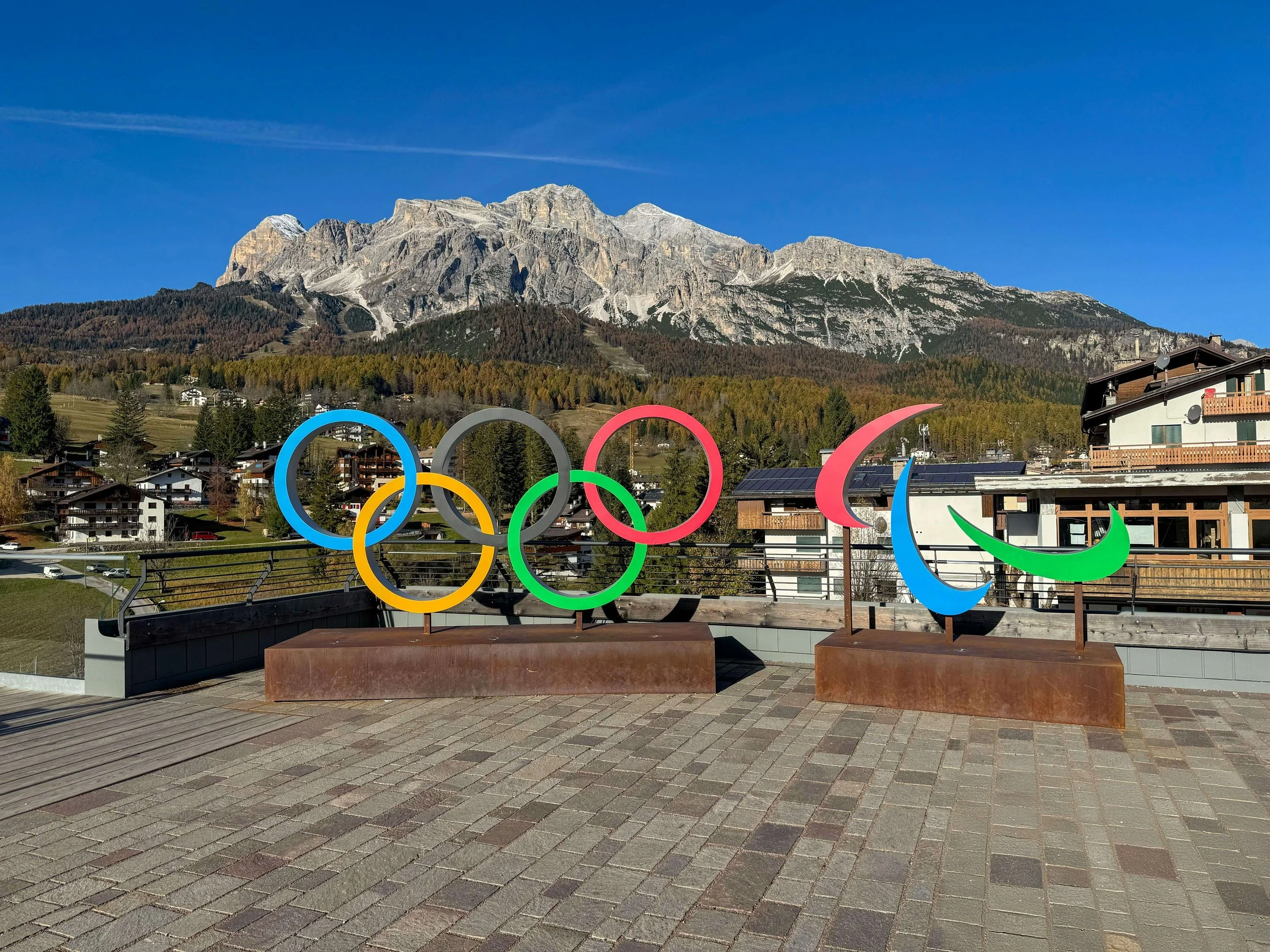
Image by Dilbert from Pexels 3/30/26
I must admit, I’m pretty sad the Olympics and Paralympics have come to an end. The Paralympics ended March 15th. The athletes, the views, the inspiration! Italy provided a beautiful backdrop for the drama. I watched a bit of both the Olympics and Paralympics. As someone who works with people dealing with acute and chronic illness, medical trauma, and health anxiety, I could see the spirit of my clients in the Paralympic athletes. I’ve been reflecting on the power and determination of these athletes. Here are three things I think people of all abilities can take away from the Paralympics.
1. Camaraderie—The Importance of Community
The majority of the athletes competing in the Paralympics know one another. They often exist in small circles of people who travel the world, competing in their specific events. Even though in the Olympics, many athletes know each other, the pool of athletes is often bigger and the relationships harsher. Watching the Paralympics, you’ll see the athletes celebrating together, congratulating or consoling each other in a much greater way than I’ve seen in the Olympics. Don’t get me wrong, these incredible athletes are still competitive, but it seems that many of them understand that the first thing that binds them is their commonalities rather than their differences. The families, the coaches and spectators cheer on the athletes. There’s a special something in the air, seeing people who’ve faced significant challenges in their lives tackle some of the most challenging physical feats. Who can you lift up today? Who can you find community with and build friendship? Deep human connection is vital to a great life.
2. ‘What If’ Scenarios—Other Options Besides Anxiety and Dread
All therapists are familiar with hearing the ‘what if’ question from clients. It’s a universal reflection on the uncertainty of the future. I thought about this question as I was watching the Paralympics. One of the many ways I help clients with this question is if they are getting stuck with negative what if’s, I will sometimes add more positive what ifs. What if I lose the ability to walk? What if I can no longer see? What if my child must get their arm amputated? These are serious life events. The ‘what if’s’ typically only focus on the negative because your brain is meant to identify threat to protect you. At times this can be protective, but many people can get stuck in this adaptive strategy that can lead to more suffering. Imagine if these athletes only focused on the negative. Imagine if they decided that because they didn’t have full control over their lives, they just stopped trying. We would be deprived of seeing these amazing competitions. My challenge to you is if ‘what if’ scenarios come up a lot for you in the negative sense, if you tend to get stuck in forward future thinking, try to add positive or neutral situations to that list. The human mind and experience is additive, once you’ve had a thought and notice it, it’s already happened. Expand options for your mind to see what is possible.
3. Discrimination and Lack of Access for Disabled Athletes
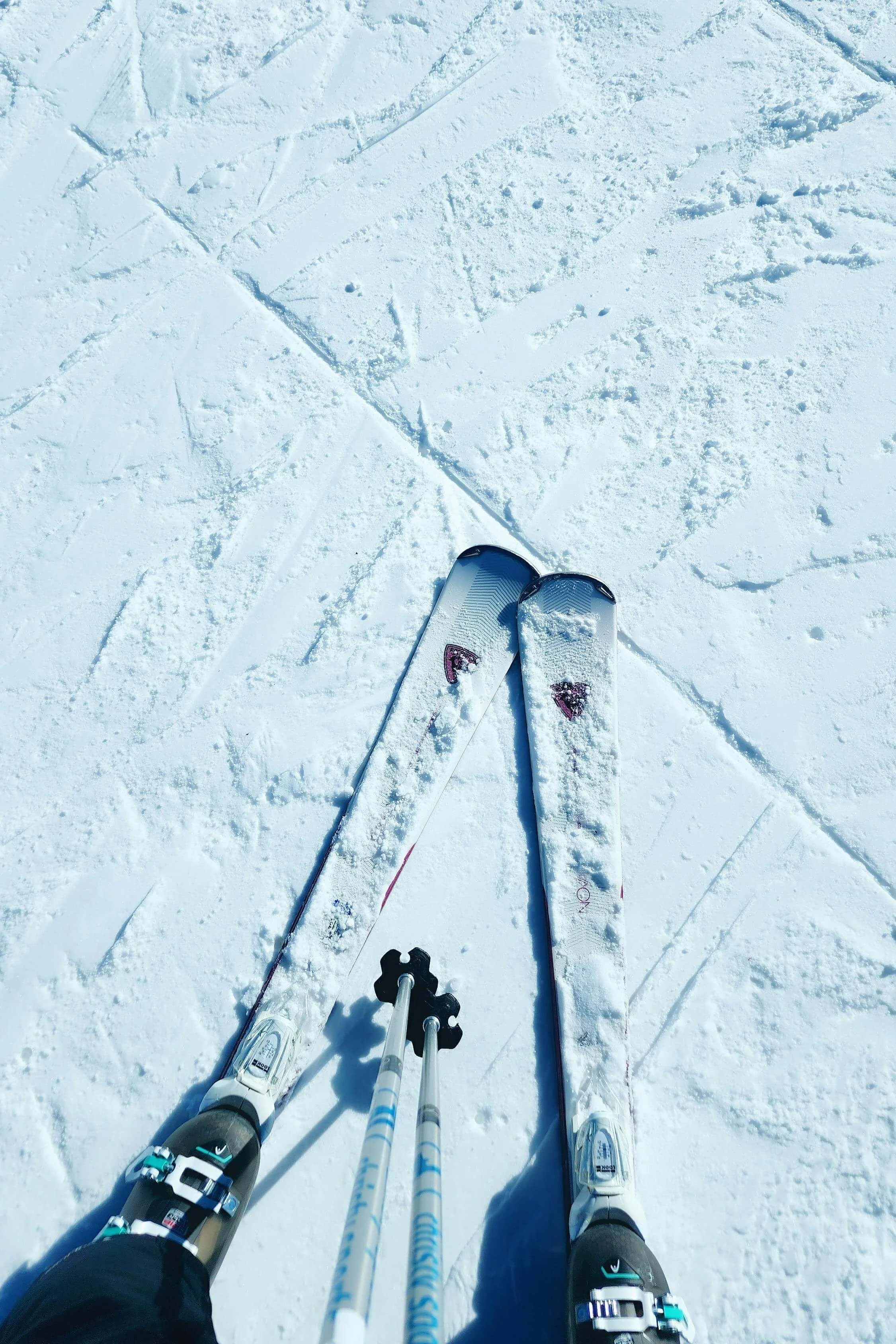
Image by Danita White from Pexels 3/30/26
The Olympics ended February 22, 2026. The Paralympics started March 6th. That’s a little over two weeks where the weather continued to get warmer, decreasing ‘winter’ conditions at winter events. I admittedly signed up for Peacock again because of the Olympics and Paralympics. They do show both, but the coverage for the Paralympics is minimal in comparison. I have heard that this was the most watched Paralympics in history, which is exciting. Access to many winter sports are challenging for people that don’t live in wintery locations. The access to equipment may be limited. This is even more true for paralympic athlete’s as they often use expensive adaptive sports equipment that is highly personalized. There is so much variation in adaptation with the athletes in order to cater to their needs. It’s a good reminder that everyone is different, have different journeys and different ways of adapting. How is society making spaces, sports and communities more accessible? This includes all minorities.
Let’s Go—Moving Forward from Injury, Illness, Medical Trauma, and Health Anxiety
When a major life event happens that you weren’t expecting, it can feel like a punch to the gut and maybe even lead you to want to give up. That’s understandable. It’s important to feel your emotions, grieve, be angry, be sad. It’s also important for you to figure out what kind of life you want to live. The paralympic athletes are fantastic role models that with dedication, commitment, passion, support and time you can do things you never dreamed you’d be capable of. If this sounds like something you want to work on, reach out and schedule a free consultation today through the link below.
About the Author: Seattle Washington Therapist, Chelsea Kramer LMFT PMH-C
Chelsea Kramer is a Seattle Therapist who works with individual and families facing grief, anxiety, reproductive and medical mental health concerns.
Learn more about Chelsea’s specialties: grief, anxiety, infertility, pregnancy loss, chronic illness, menopause, medical trauma
Learn more about Chelsea
Return to Homepage
Return to blog