Shope Psychology: HAES Clinical Psychologist, Megan Shope Ph.D.
Megan (she/her) is a clinical psychologist providing evidence-based therapy for folks with eating disorders, body image struggles, and problems regulating their emotions. She uses Dialectical Behavior Therapy (DBT) to help people understand and regulate their emotions, accept themselves and their bodies, and change their relationships with food and eating. Megan's work is based in Health at Every Size (HAES), anti-diet, and fat liberation principles and she is passionate about fighting against anti-fat bias in all areas of her life.
1. What led you to decide to open your private practice therapy business in Seattle?
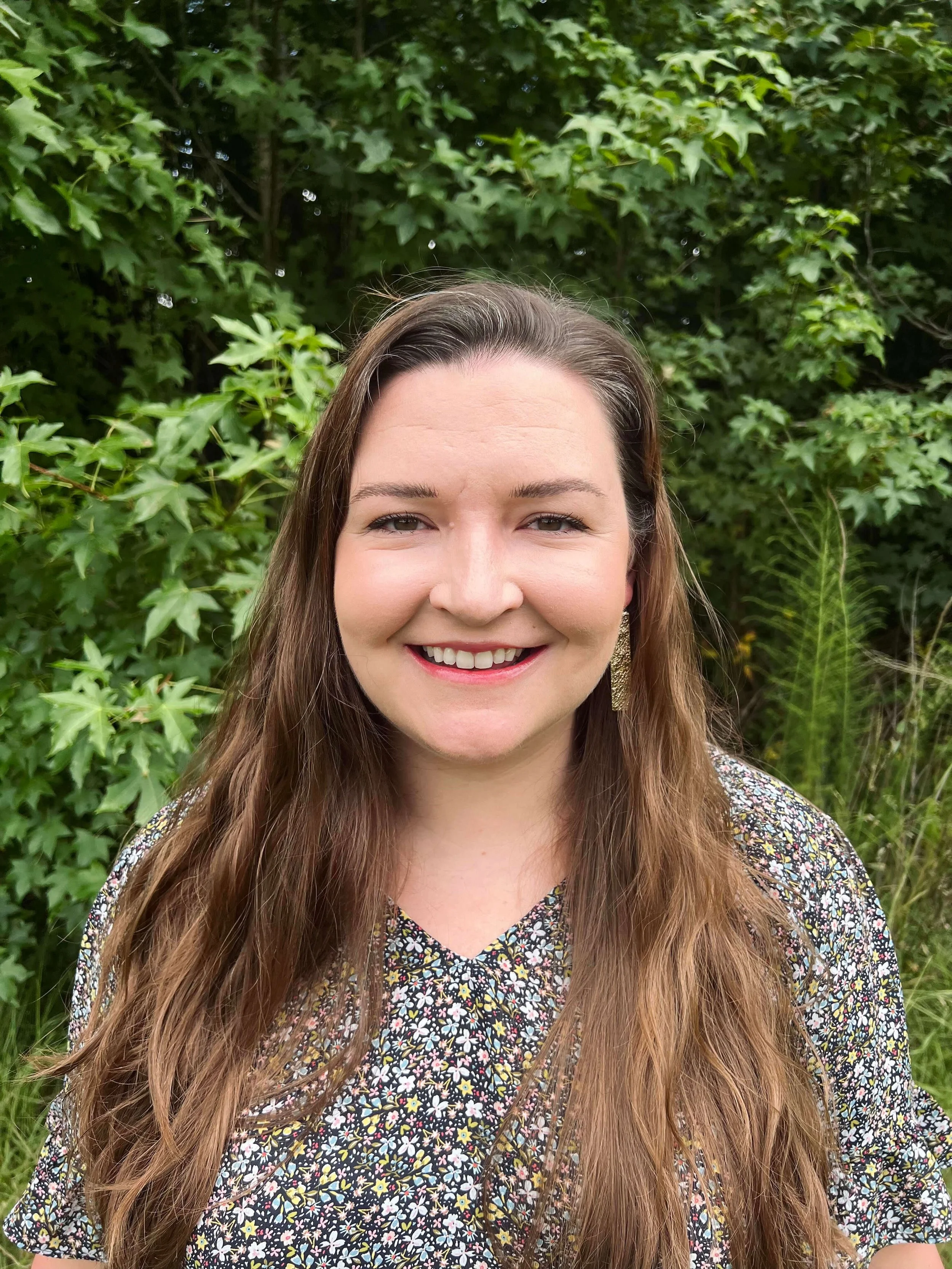
Megan Shope Ph.D. HAES Clinical Psychologist
My decision to open my therapy practice in Seattle was deeply influenced by my passion for helping folks struggling with eating disorders and body image issues. Eating disorders often coexist with other mental health challenges, like depression, anxiety, and various forms of emotion dysregulation. During my doctoral training, I was introduced to Dialectical Behavior Therapy (DBT) and saw firsthand how effective it was in treating these complex issues. I knew then that I wanted to build a practice that combined DBT, eating disorder care, and fat liberation principles. In Seattle, I saw a gap in therapy services offering this combination of specialty care, and I wanted to create a service where clients could access comprehensive, compassionate care tailored to their needs. I'm proud to offer this integrated approach in a community that is greatly in need of these services.
2. What kind of services do you provide?
I provide personalized, one-on-one therapy sessions designed to meet each client's goals. My primary approach is Dialectical Behavior Therapy (DBT), though I also integrate techniques from other evidence-based treatments like Cognitive Behavioral Therapy for eating disorders (CBT-E) and Acceptance and Commitment Therapy (ACT) when they align with a client's goals. Additionally, I offer individual DBT skills training for those interested in learning skills without engaging in full therapy. All sessions are available virtually, allowing clients to receive care from the comfort of their own homes.
3. How do your services help people?
My services help people by using evidence-based techniques to support them in reaching their therapy goals. I teach clients practical skills to stay in the present moment, tolerate strong emotions without engaging in harmful coping behaviors, learn how to understand and regulate their emotions, and improve communication skills. I also teach folks about Health at Every Size (HAES), anti-diet, and fat liberation principles to help them question and challenge eating disorder thoughts so they can live according to their own values. My services help people reduce their focus on eating and weight, accept their bodies as they are, learn to effectively respond to emotions, and live according to their values and goals.
4. What kind of people do you love working with?
I love working with people who are tired of spending so much time thinking about food and their bodies and want to try something different. I often work with people who were called (or would call themselves) "sensitive", have a lot of emotions, and did not learn how to regulate their emotions effectively. They're tired of resorting to the same harmful or ineffective coping mechanisms and want to learn new ways to cope. I also love working with people in fat bodies who are exhausted by living in a society centered on thinness and want to learn how to accept their bodies and live according to their own values.
5. What happens during a first appointment with you?
After you reach out to me, I'll offer a free 15-minute phone call so we can get to know each other and see if we are a good fit to move forward. If we decide to schedule an intake session, we'll spend time discussing what you've been experiencing and what you're hoping to achieve through therapy. You'll also have the opportunity to ask me any questions and to learn more about me and my approach. At the end of the intake, we'll talk about next steps and decide together if we are a good match to work together.
6. What do you wish people knew about services with you?
I want people to know that I take a collaborative and flexible approach to therapy, and it is important to me to meet people where they are. I understand that terms like 'evidence-based therapy', 'DBT', and 'eating disorder treatment' can sound overwhelming or rigid, and that might make you feel like full commitment is required from the start. That is far from the truth! Many of the clients I work with come in unsure, hesitant about letting go of old coping mechanisms, or are still contemplating whether they want to change. And that's perfectly okay! If you're unsure or hesitant, I encourage you to reach out. I’m happy to talk through where you’re at and help you decide if therapy with me feels like the right next step.
7. How can people contact you?
Please reach out with any questions or to set up a free consult call! To reach me, email me at mshope@shopepsychology.com or call me at 425-224-3079. You can also visit my website to read more about me and my practice: www.shopepsychology.com
About the Author: Seattle Washington Therapist, Chelsea Kramer LMFT PMH-C
Chelsea Kramer is a Seattle Therapist who works with individual and families facing grief, anxiety, reproductive and medical mental health concerns.
Learn more about Chelsea’s specialties: grief, anxiety, infertility, pregnancy loss, chronic illness, menopause, medical trauma
Learn more about Chelsea
Return to Homepage
Return to blog